
Natural Resources Department - Water
Environmental Tech - Water
BANNER FOR WATER QUALITY ALERTS
1. What is the difference between EPA 106 & SDWA
The Safe Drinking Water Act (SDWA) is a federal law that authorizes the U.S. Environmental Protection Agency (EPA) to set and enforce standards for public drinking water systems, ensuring the safety of drinking water for consumers. It regulates contaminants such as bacteria, lead, and PFAS, and applies directly to water utilities, requiring routine monitoring, reporting, and public notification. In contrast, EPA 106 refers to a grant program under the Clean Water Act, which provides funding to states, tribes, and territories to support the management of surface water quality programs, such as permitting, monitoring, and enforcement related to pollution in rivers, lakes, and streams. While SDWA focuses on protecting the quality of drinking water, EPA 106 supports efforts to protect surface water from pollution, and the two operate under different statutory authorities and scopes.
2. Water Shed Management
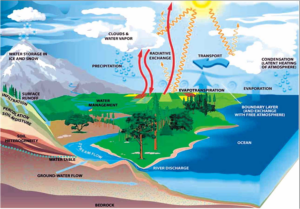
Watershed management is the process of planning and implementing coordinated actions within a drainage area (watershed) to sustainably manage land, water, and ecological resources. This holistic approach balances objectives such as protecting drinking water, controlling floods, preventing erosion, conserving biodiversity, and supporting agriculture—while involving stakeholders across local, municipal, and regional levels.
3. Non Point Source Pollution
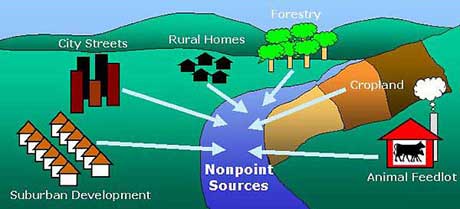
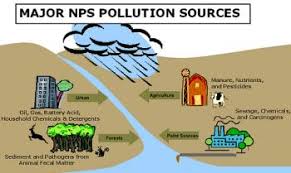
Nonpoint source pollution solution refers to any practice or strategy designed to reduce or prevent pollution that comes from widespread, diffuse sources, such as runoff from agricultural land, urban streets, or residential areas. Unlike point source pollution, which comes from a single, identifiable location (like a pipe), nonpoint source pollution enters water bodies indirectly, usually carried by rainwater or snowmelt. Solutions focus on managing land use and runoff to prevent pollutants like sediment, nutrients, oil, and bacteria from reaching streams, rivers, and lakes. Common examples include planting vegetative buffers along waterways, using rain gardens and permeable pavement in cities, practicing proper fertilizer and manure management on farms, and maintaining septic systems. These measures work together to protect water quality and support healthy ecosystems.
4. Sampling
We sample well water before any treatment to understand its quality and detect any potential contaminants like bacteria, chemicals, or minerals. This initial testing helps ensure the water is safe and meets health standards, and it allows for monitoring changes in water quality over time. By knowing what’s in the water from the start, we can make informed decisions about its use and take necessary actions to protect health and safety.
FAQ’S ON WATER PROGRAM
FAQ 1
Your content goes here. Edit or remove this text inline or in the module Content settings. You can also style every aspect of this content in the module Design settings and even apply custom CSS to this text in the module Advanced settings.
FAQ 2
Your content goes here. Edit or remove this text inline or in the module Content settings. You can also style every aspect of this content in the module Design settings and even apply custom CSS to this text in the module Advanced settings.
Links to educational material
https://www.neefusa.org/watershed-sleuth
https://www.epa.gov/watersense/watersense-kids
Nonpoint Source Pollution Awareness: What’s Wrong with This Picture? | US EPA
https://www.usgs.gov/apps/ngwmn/provider/USGS/site/332501116025701/
https://storymaps.arcgis.com/stories/b3886b33b49c4fa8adf2ae8bdd8f16c3
https://cww.water.ca.gov/map/waterlevel_detailed?siteCode=335711N1161415W001